
AFRDA + UTPA Conservation Gardens Programme
Protecting Uganda’s threatened plant heritage
Before it disappears, the AFRDA – UTPA Conservation Gardens Programme safeguards endangered and threatened plant species in Uganda through conservation gardens, living collections, seed orchards, nursery systems, research plots and community-led propagation.
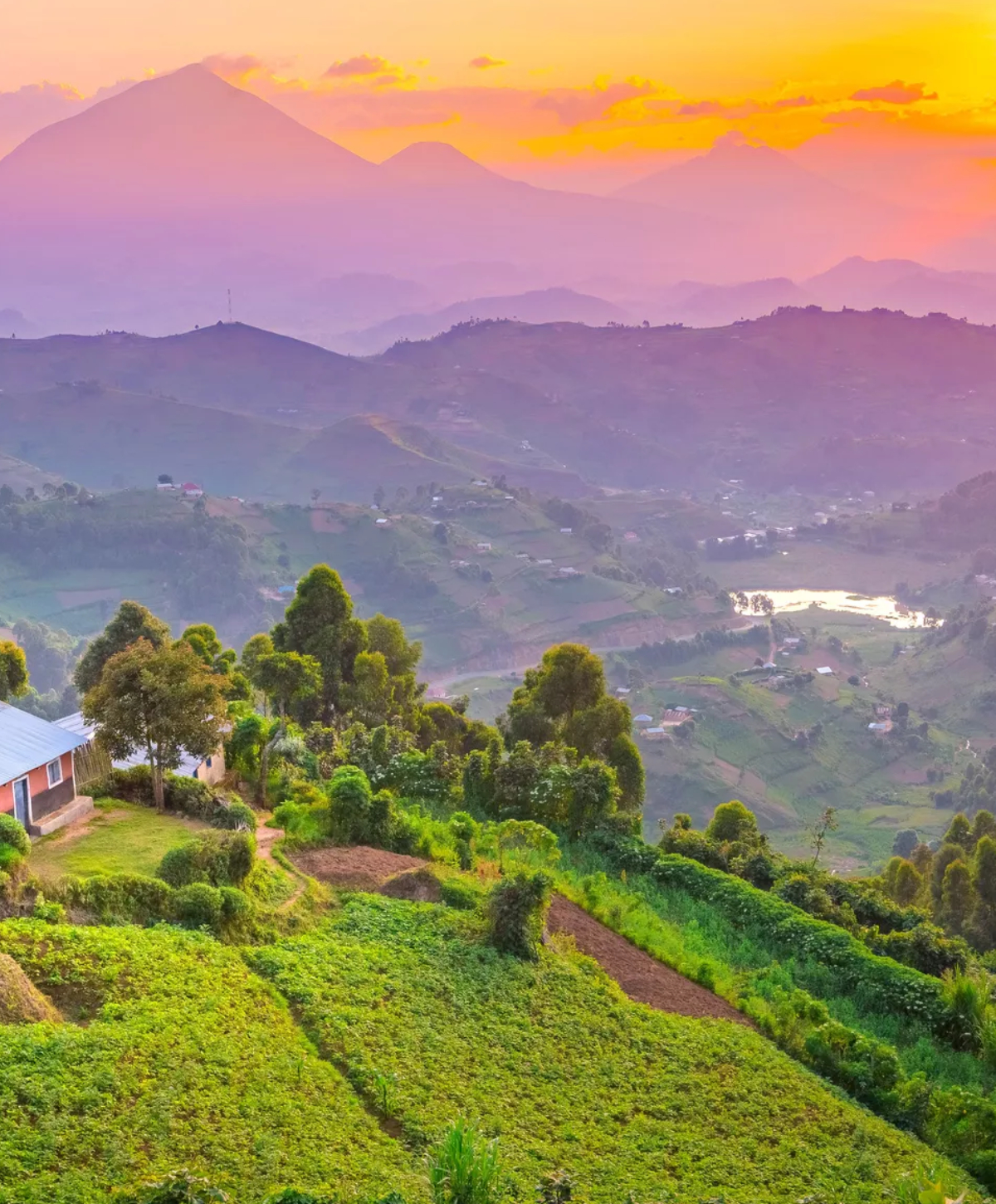
Priority threatened plant species identified
Critically Endangered
Endangered
Vulnerable

Protection must begin before rarity becomes disappearance
Uganda’s plant diversity supports food systems, traditional medicine, cultural identity, climate resilience, water protection, rural livelihoods and future scientific discovery.
Across Uganda, many plant species that once supported communities, ecosystems and local economies are becoming harder to find. Some are rare endemics with very limited natural distribution, while others are heavily harvested for medicine, timber, food, cultural use, cosmetics, restoration or household materials.
This programme responds by creating living conservation infrastructure: places where threatened species can be protected, propagated, studied, monitored and eventually used to support restoration and community stewardship.
- Habitat loss
- Forest degradation
- Unsustainable harvesting
- Wetland conversion
- Climate stress
- Illegal extraction
A living conservation network for Uganda and East Africa
Different threatened species require different ecological conditions. A wetland plant, medicinal climber, montane species, high-value timber tree and narrow endemic cannot all be conserved effectively under one model.
Central conservation gardens
Core living collections, documentation and public learning spaces.
Satellite plots
Species protection in locations suited to different ecological conditions.
Seed orchards
Reliable sources of legally propagated seed and planting material.
Mother-plant blocks
Long-term sources of cuttings and conservation-compatible multiplication.
Aquatic units
Specialised protection for wetland and aquatic plant species.
Research plots
Field evidence on growth, climate stress and propagation success.
Community propagation
Local stewardship led by farmers, planters, youth, women and schools.
AFRDA’s role
Research, documentation, monitoring, reporting, strategic coordination, resource mobilisation and accountability systems.
UTPA’s role
Practical horticultural implementation, site stewardship, propagation experience, planter mobilisation and community-level conservation action.
Practical infrastructure for protection, propagation, learning and restoration
Conservation Gardens & Living Collections
Protected spaces where threatened plant species can be maintained, labelled, monitored, studied and used as living reference collections.
Seed Orchards & Mother-Plant Blocks
Long-term sources of legally propagated seeds, cuttings and planting material for restoration and conservation-compatible multiplication.
Community Nurseries
Local nursery units that train farmers, planters, youth, women, schools and community groups to propagate priority species responsibly.
Research & Monitoring Plots
Field learning sites for tracking germination, growth, flowering, pest risks, soil conditions, climate stress and propagation success.
Restoration & Reintroduction Support
A foundation for future restoration by ensuring conservation-priority planting material is available, documented and suitable for lawful restoration.
Education & Public Engagement
Learning spaces for schools, communities, researchers, agencies, partners and responsible businesses to value Uganda’s plant heritage.
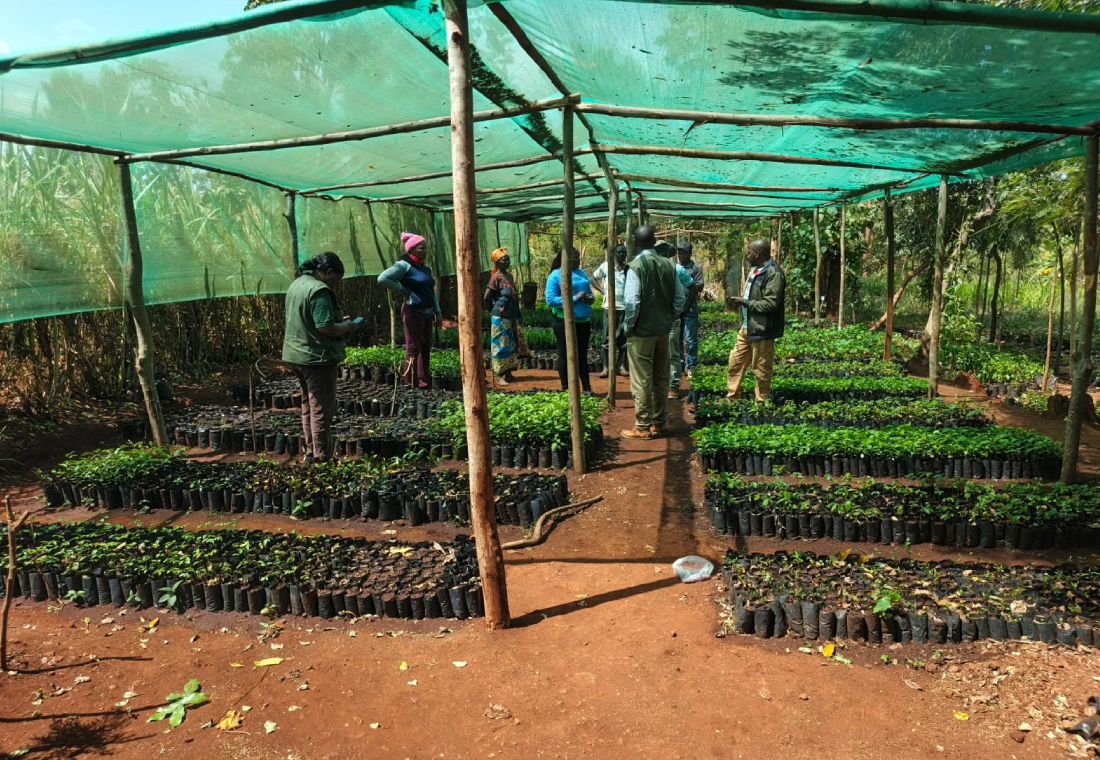
Community nurseries train farmers, planters, youth, women, schools and local groups to propagate priority species responsibly.
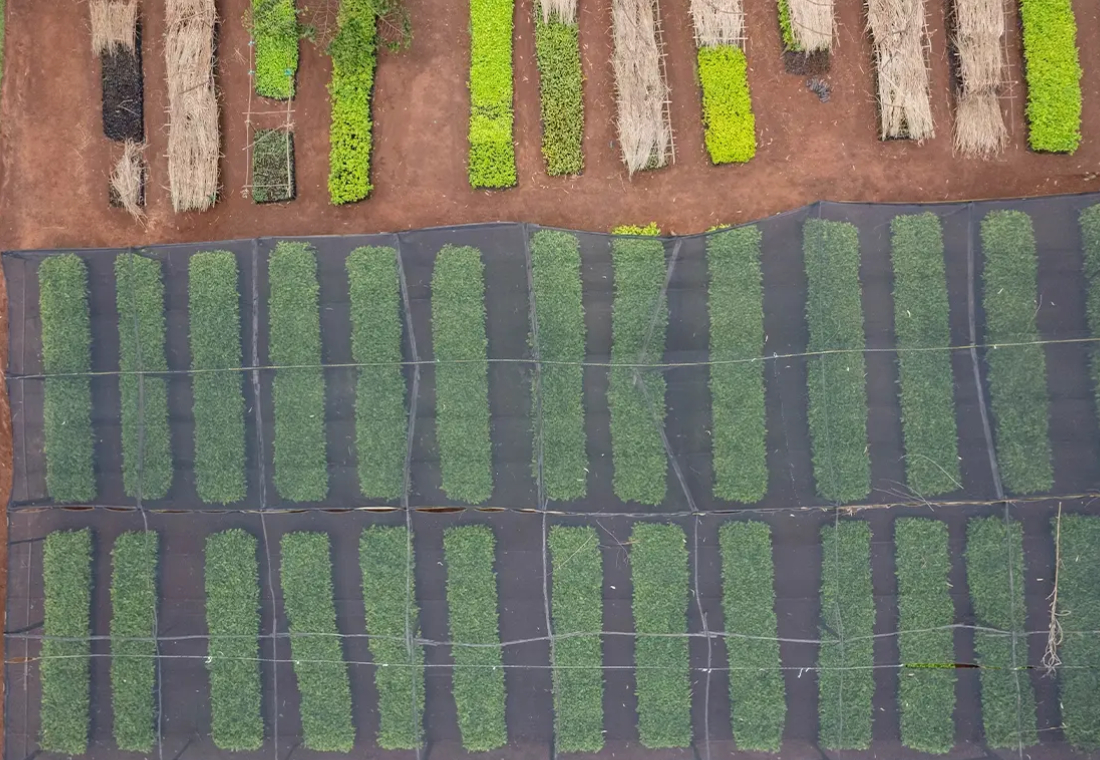
Research plots generate field evidence on germination, growth, flowering, pest risks, soil conditions and climate stress.
Five pathways guide conservation action
The pathways help the programme respond to urgent species protection, wild harvesting pressure, restoration needs, aquatic ecosystems and climate-sensitive habitats.
01
Rescue and protection of highly threatened species
02
Reducing pressure on wild medicinal plants
03
Supporting timber and restoration species
04
Protecting wetland and aquatic plant species
05
Monitoring climate-sensitive montane species
A national and regional platform for threatened plant conservation
At full scale, the programme is expected to support species protection, community stewardship, restoration readiness, research evidence, institutional strengthening and regional learning.
- Threatened species maintained in living collections, nurseries, seed orchards and research plots.
- Communities supported to cultivate priority species and use non-destructive harvesting practices where appropriate.
- Farmers, youth, women, schools and local groups trained to identify, propagate, protect and value threatened plant species.
- Legally propagated planting material made available for restoration, enrichment planting and conservation-compatible distribution.
- Monitoring data, propagation lessons, annual updates, policy briefs and conservation learning products generated over time.
- A transparent programme platform with clear roles, records, partner reporting and measurable conservation milestones.
A programme ready for strategic partners
We invite conservation funders, development partners, research institutions, public agencies, private foundations, schools, community organisations and responsible businesses to help establish and expand this programme.
Conservation gardens
Establishment or upgrades.
Propagation infrastructure
Seed orchards, mother-plant blocks and community nurseries.
Site systems
Irrigation, water harvesting, tools, fencing, shade nets and nursery materials.
Evidence and learning
Research, mapping, monitoring, data systems and annual conservation reports.
Community capability
Youth, women, school and community conservation training.
Help build a living future for Uganda’s threatened plant species
The disappearance of a plant species is not only a loss to science. It is a loss to communities, culture, medicine, ecosystems, climate resilience and future generations.
Partner with us. Support a conservation garden. Help protect Uganda’s threatened plant heritage.
African Resilience & Development Agency + United Tropical Planters Association