Averrhoa carambola
Carambola, star fruit, Foreign peach, Five corners, Star pickle
Luganda: Calambasi.
Description
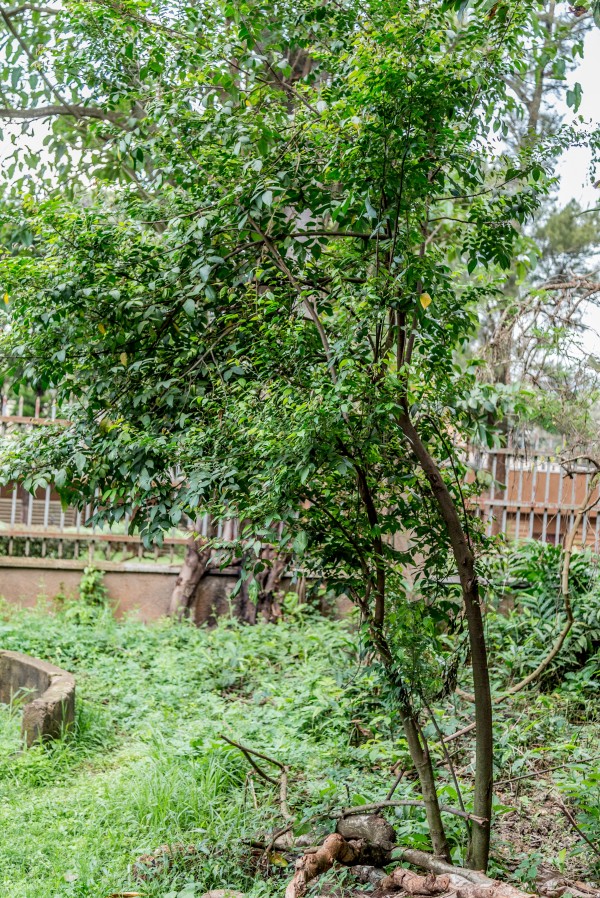
A small tree but up to 7-10 m with dense branching to an upright rounded crown.
LEAVES: pinnate with 5-11 pairs of pale green leaflets, each oval about 1.5 cm, folding up when touched.
FLOWERS : white or mauve in little cluster which grow out of the main trunk, and woody branches all over the tree.
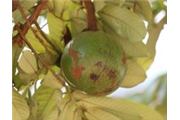
FRUIT: oblong and fleshy, about 10 cm long, strongly 5-angled (starshaped when cut), yellow-orange and crisp when ripe. They look like wax the watery pulp acid sweet tasting something between apricot and passion fruit.
Uses
Edible: fruit is eaten, fruit can be eaten as fruit salads, juiced and mixed with other fruits etc., flowers can also be made into conserves or eaten raw when added to salads, leaves can be used as a sorrel substitute. http://tropical.theferns.info/viewtropical.php id=Averrhoa+carambola
Medicine: fruit, leaves, seed and, flowers. http://tropical.theferns.info/viewtropical.php id=Averrhoa+carambola
The fruit juice is used to remove stains, for example iron rust from linen cloth.
The fruit juice can be used for polishing brass.
Unripe fruits contain potassium oxalate, which is used in dyeing.
The wood is used for timber in construction and for making small implements, furniture etc.
The wood is used for firewood.
Ecology
Carambola is native to S.E. Asia. A small fruit tree now widely cultivated in the wetter tropics from West Africa to Florida and Queensland. A recent import to Europe where its decorative star fruit is valued. It is cultivated in some Uganda gardens. A. bilimbi is a similar tree. In Kampala, this tree can be found within Bataka zone in Makerere precinct among other places.
Management
A mix of cultivars should be planted for cross pollination. Pruning is recommended and thinning of excess fruit in the early stage. Fast growing.
Tree gallery
.jpg)