Capparis fascicularis
Zigzag caper-bush
Description
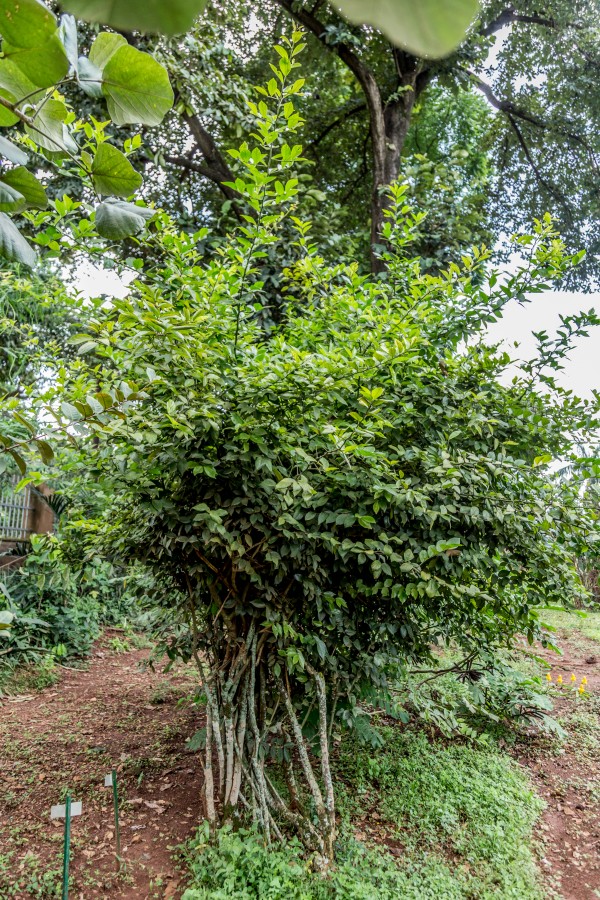
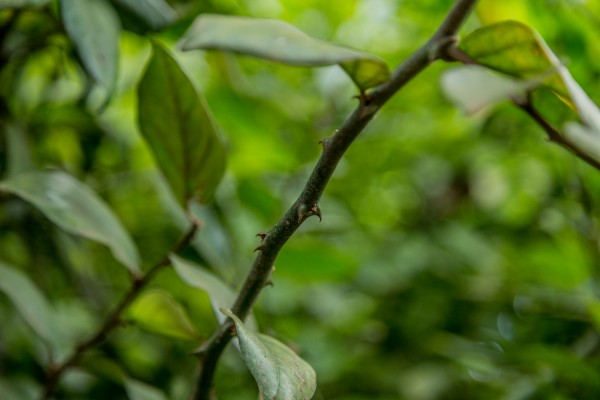
A scrambling shrub usually with hooked spines on the stem.
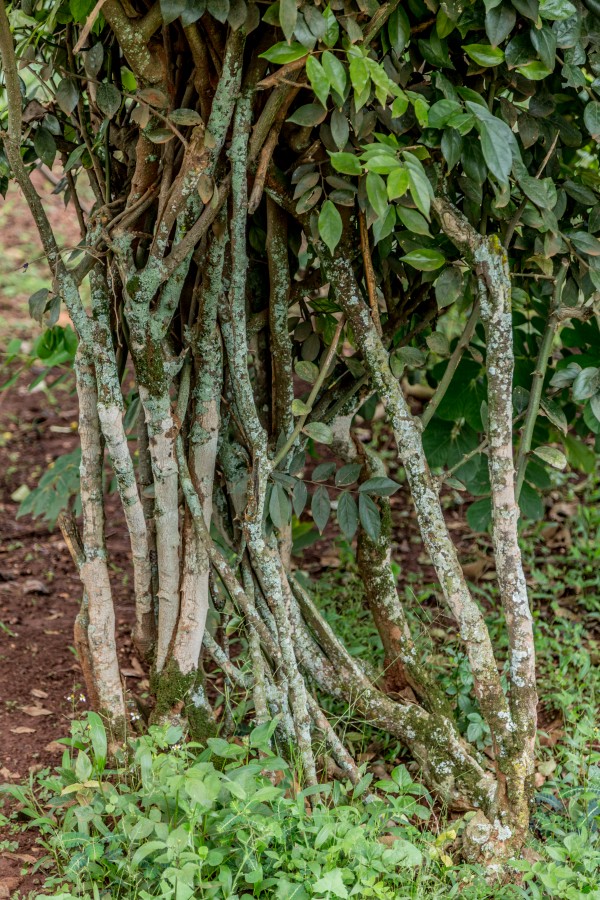
BARK: scaly, dark grey, twigs hairy, green.
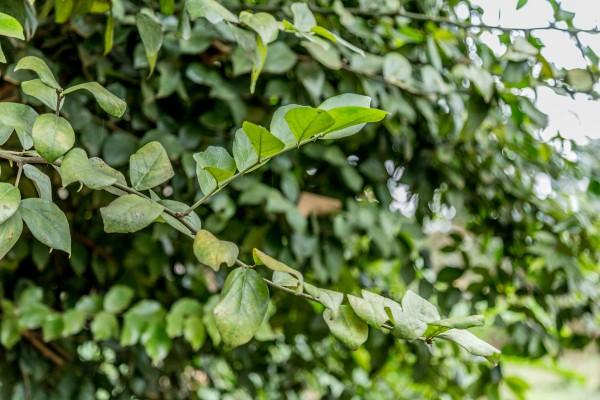
LEAVES: arranged spirally, simple and entire, stipules developing into paired recurved spines up to 4 mm long, petiole up to 0.5 cm long, narrowly elliptic-oblong to oblanceolate, up to 6 cm long, leathery, rounded and often emarginate at the apex, sparsely pubescent or almost hairless.
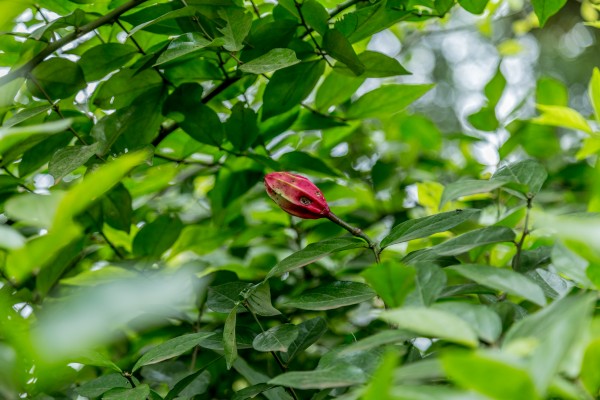
FLOWERS: on leafless side branch-lets, resembling spikes or racemes. Sepals densely rusty hairy on the outside; petals whitish
FRUITS: nearly globose berry, with 4–8 indistinct longitudinal veins, orange-red to brownish red, with slimy, orange to reddish pulp, many-seeded. Seeds ovoid to kidney-shaped, 0.5–1 cm long, slightly compressed, dark brown.
Uses
Edible: leaves. https://www.revolvy.com/page/Capparis-fascicularis
Medicine: roots. https://uses.plantnet-project.org/en/Capparis_fascicularis_(PROTA)
The wood is occasionally used for fences, poles and roof laths in house construction.
The wood is used for firewood.
Ecology
Capparis fascicularis is widespread, from Senegal and Gambia Eastward to Eritrea and Ethiopia, and Southward to Eastern South Africa and Swaziland. This species generally occurs in deciduous bush-land and thickets, grassland with scattered trees, upland dry evergreen and riverine forest, and sometimes on termite-mounds in East Africa up to 2100 m altitude. In Kampala, this tree can be found in Makerere University.
Tree gallery