Cassia fistula
Golden shower tree, Indian laburnum, Pudding pipe tree, purging cassia, purging fistula, Cassia stick tree
Description
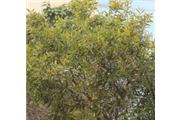
Cassia fistula is a medium sized deciduous tree, 10 m tall with a straight trunk to 5 m, 1 m diameter and spreading branches.
BARK: pale grey, smooth and slender when young and dark brown and rough when old.
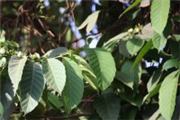
LEAVES: Leaves pinnately-compound, consisting of 3 - 8 pairs of opposite leaftletS
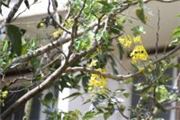
FLOWERS: Bright yellow, fragrant, produced in long pendulous clusters, 30 - 50 cm in length, attractive to insects and butterflies.
FRUITS: Long cylindrical pods (40-60cm), black and indehiscent when mature. Seeds covered with edible, blackish-brown, pungent-smelling, sticky sweet pulp.
Uses
Edible: Bark, fruits, leaves, seeds, flowers. http://tropical.theferns.info/viewtropical.php id=Cassia+fistula
Medicine: Ripe pods, seeds, root bark, leaves, flowers, fruit, stem bark, heartwood, roots. http://tropical.theferns.info/viewtropical.php id=Cassia+fistula
Agroforestry: can be planted for the restoration of degraded lands and restoration of woodland.
suitable for the reforestation of areas which have become overgrazed.
The bark is used for tanning and dyeing.
The seeds of Cassia fistula are a potential commercial source of seed gum, a potential binder for the pharmaceutical industry.
The wood provides a hard multipurpose timber that can be used for buildings, carts, fence posts, agricultural implements etc.
The wood is used to make a good quality charcoal.
An ornamental tree.
Ecology
A tree of deciduous forests ranging from tropical thorn to moist through subtropical thorn to moist forest zones. The tree can withstand moderate amount of shade, is drought resistant, but not frost hardy. It is suitable for: light (sandy), medium (loamy) and heavy (clay) soils and prefers well-drained soil. The suitable pH for this species is: acid and neutral soils and can grow in saline soils. It cannot grow in the shade, prefers moist soil and can tolerate drought. The plant can tolerate strong winds but not maritime exposure.
Management
The tree coppices vigorously and produces root suckers freely.
Tree gallery


.jpg)
.jpg)