Cupressus sempervirens
Mediterraneancypress, Common cypress, Italian cypress
Description
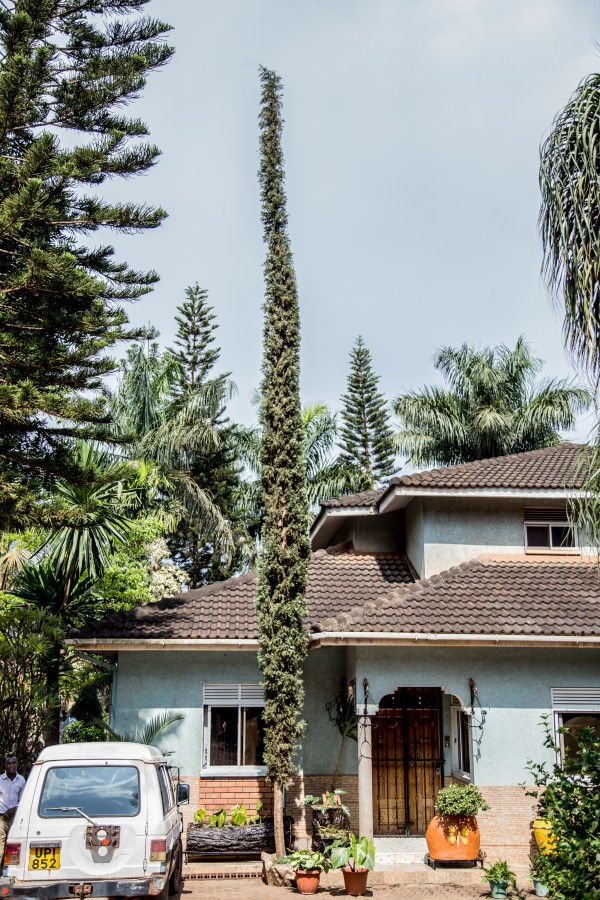
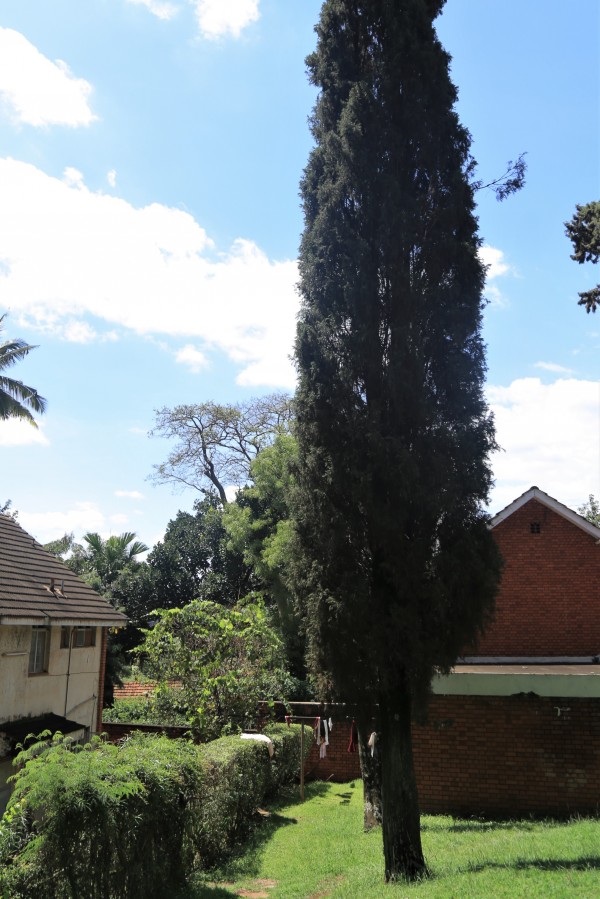
Italian cypress is an evergreen tree with a very narrow, pencil-shaped crown, that can grow up to 40 metres tall. The bole can be up to 200cm in diameter.
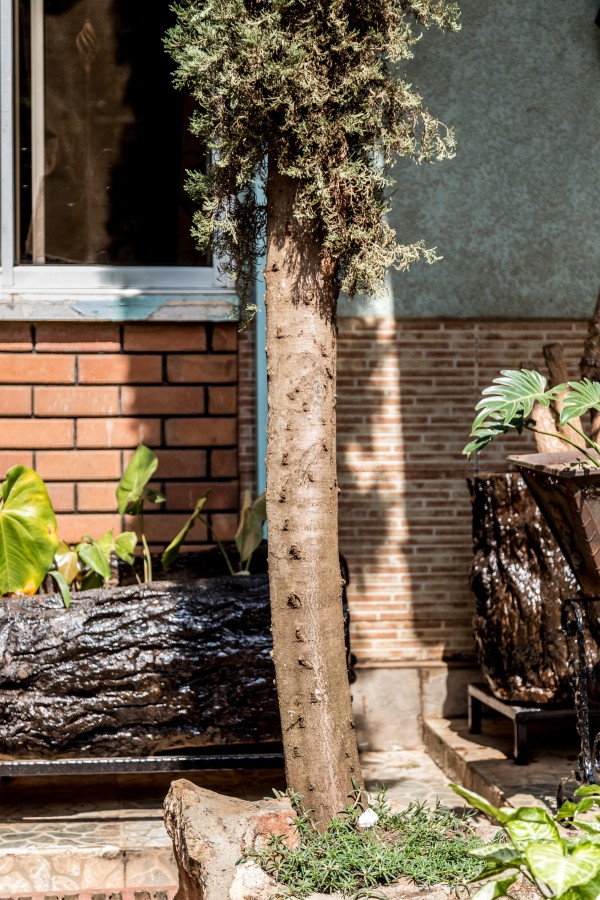
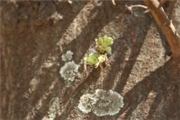
BARK: thin, smooth, grayish brown, shallowly fissured.
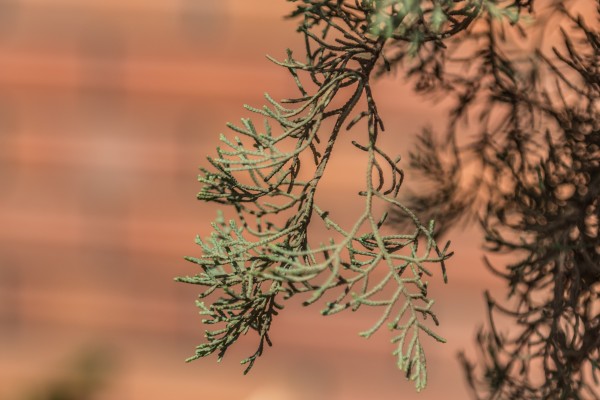
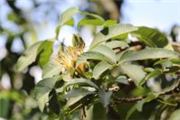
LEAVES: scale-like, decussate, small, ovate, obtuse, dark green, with a dorsal gland in the shape of longitudinal furrow.
FLOWERS:
FRUIT: cones on short stalk, glossy, brown to gray, pendulous, globose to elliptic, 2-3 cm long, composed of 8 to 14 opposite scales, with concave to flat apophysis, with a small central umbo and a point. Seed cones yellowish gray when ripe, subglobose or ellipsoid, 2.5-4 × 2-3 cm; cone scales 8-14, each fertile scale with 8-20 seeds.
Uses
Medicine: cones, young branches, leaves, resin, an essential oil from the leaves and cones. http://tropical.theferns.info/viewtropical.php id=Cupressus+sempervirens
An essential oil from the shoots is used in perfumery and soap making.
An infusion of the wood is used in footbaths to combat perspiration of the feet.
The wood is used for building uses, cabinet making and wardrobes, especially since it retains its fragrance, repels moths and is impervious to woodworm.
Ecology
Mediterranean cypress' range of distribution is S. Europe to W. Asia. The natural distribution of this cypress is unclear, due to its long horticultural history in the Mediterranean region. In natural habitats this cypress occurs in Mediterranean climates with dry and hot summers and rainy winters, or in semiarid climates in the eastern and interior areas of its range. It is a light demanding, drought and heat tolerant species, growing with a rain rate of just 200 mm per year. In Kampala, Mediterranean cypress can be found within Makerere university among other places.
Tree gallery