Dovyalis caffra
Kei apple, Wild apricot, Dingaan's apricot
Description
A thorny evergreen shrub, usually 3-5 m.
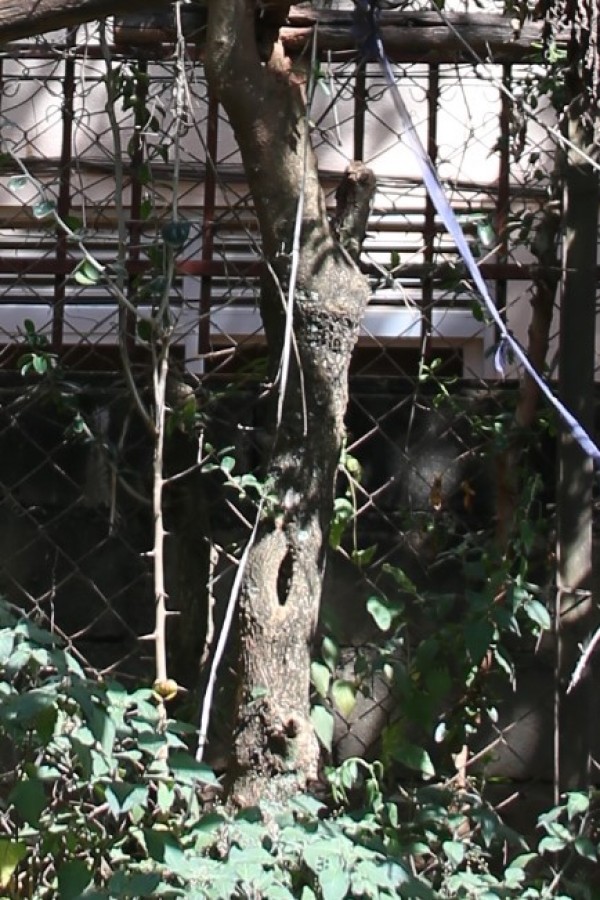
BARK: with strong spines to 6 cm.
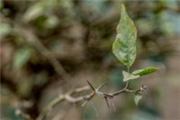
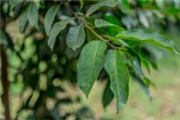
LEAVES: thin, shiny dark green to 5 cm, tip is rounded or notched.
FLOWERS: male and female flowers on different plants, male flowers cream yellow in dense clusters, many stamens.
FRUIT: round, orange-yellow, to 4 cm, soft sweet flesh, up to 20 seeds within.
Uses
Edible: fruit can be eaten fresh or used in jams, jellies, marmalades etc.
Agroforestry: well suited to making hedges, have dense spiny shoots that make an impenetrable barrier, leaves are source of fodder, provides bee forage (apiculture).
An ornamental tree.
The liquid drained off after the fruit has been soaked in water and allowed to ferment has herbicidal properties.
Ecology
Kei apple is native to south Africa. A spiny shrub found in open bush and Acacia woodlands in southern Africa, now widely planted in tropical and subtropical areas as an effective fruiting fence. It does well above 1,200 m. Prefers deep well-drained soils, tolerates loamy clay and is drought resistant once established. In Uganda it is widely planted as a live fence. In Kampala, Kei apple can be found at upper mawanda, Owen road, within Makerere university among other places.
Management
Fast growing once established, initially slow. Initial tending necessary since it is a slow starter. Trim regularly to maintain a good live fence.
Tree gallery
.jpg)
.jpg)