Phoenix dactylifera
Date Palm
Description
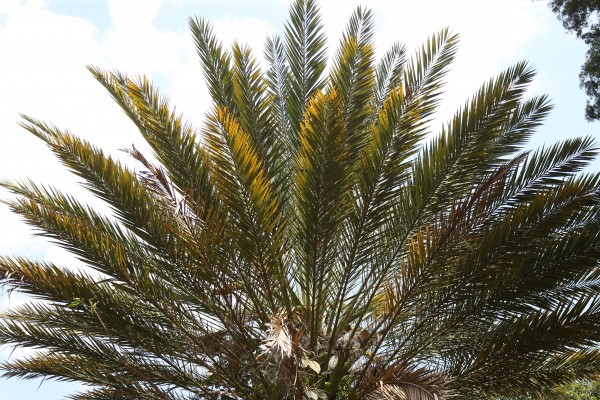
Date palm is an evergreen palm growing up to 30 m tall and up to 40 cm across. The short trunk has suckers at the base.
BARK:
LEAVES: dark green feather leaves 3-5 m long, with pinnae to 20-40 cm long closely spaced along the rachis. Like all Phoenix , it has long, sharp spines at the bases of the leaves, which are formed from modified leaflets
FLOWERS: small and yellow colored attached directly to spikelets.
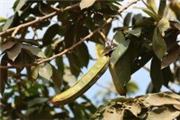
FRUITS: The fruit are oval- cylindrical and bright yellow or orange when ripe (turning brown when dried).
Uses
Edible: Fruit, flowers. https://pfaf.org/user/Plant.aspx LatinName=Phoenix+dactylifera
Medicine: Fruits, gum. https://pfaf.org/user/Plant.aspx LatinName=Phoenix+dactylifera
Agroforestry: can be used for the revegetation of salt affected lands.
It is also grown as an ornamental tree.
The leaves make an excellent thatch, being used to make roofs and walls of huts.
A fibre obtained from the leaves, base of the leaves and bark can be used to make ropes, baskets, hats and mats.
A fibre obtained from the leaf petiole, combined with other suitable material, is used for making insulating boards.
Dried leaves, with their stiff, woody rachis, are used for fencing.
The wood is much valued for use in construction.
The stems are used for fuel.
Ecology
The most probable area of origin of the date palm was in or near what is now the country of Iraq, but date cultivation spread to many countries starting in ancient times. It is a plant sensitive to the cold, it thrives on any kinds of soil, provided that they are fertile and well drained; in mild climate regions, it is grown outdoors where it must be exposed to the sun. In order for its fruits to come to a complete maturity, rather high temperatures (40°C) and copious water amounts, these being sometimes provided by means of irrigation in production palms, are required. It cannot grow in the shade, prefers dry or moist soil and can tolerate drought.
Management
Pruning, thinning.
Tree gallery