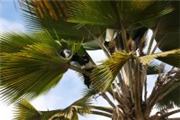
Cinnamomum zeylanicum
Cinnamon
Luganda: Budalasini.
Description
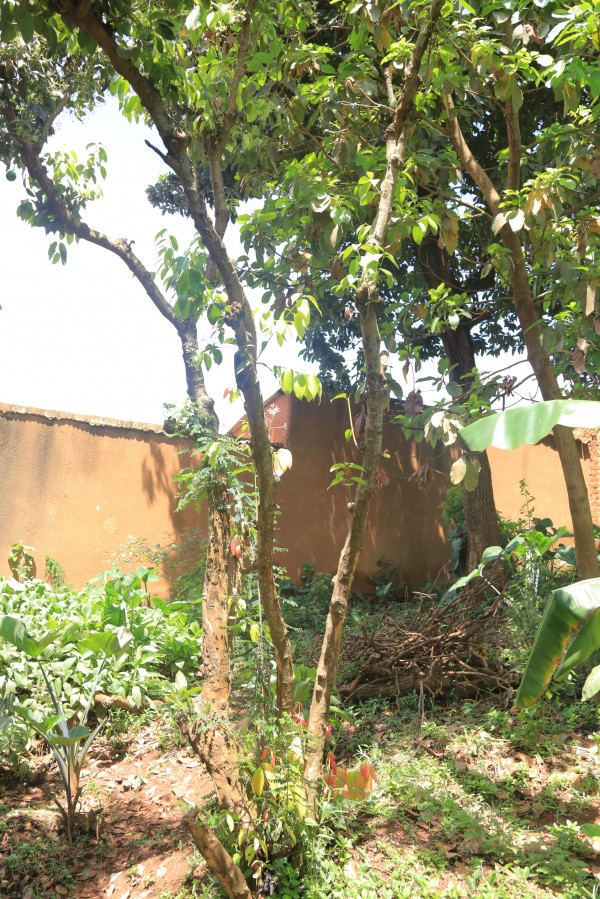
An evergreen shrub or tree reaching 6-10 m with very many leafy branches.
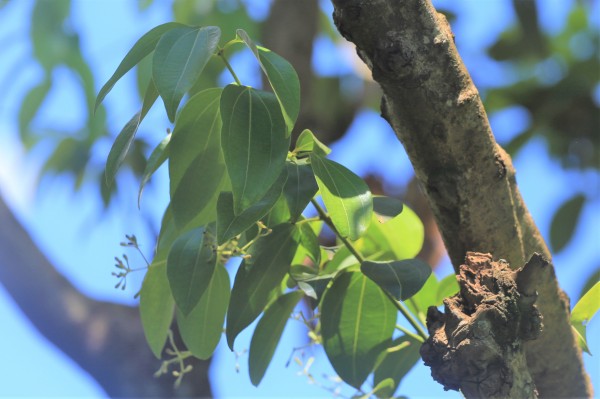
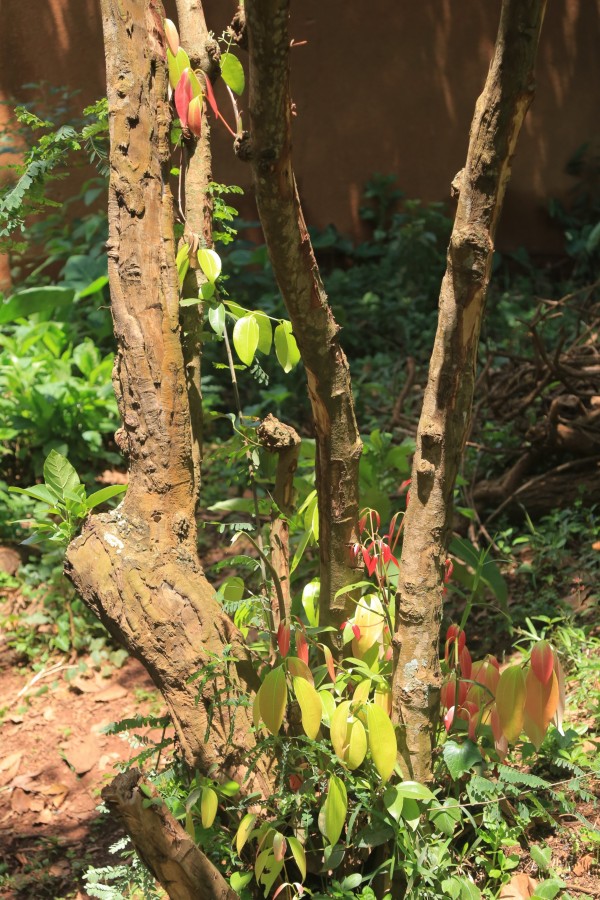
BARK: young branchlets shiny orange-pink becoming brown and aromatic, rather smooth.
LEAVES: leathery and wavy, oval, 10-15 cm long, very shiny above with 3 main veins, pinkred when young. Crushed leaves very aromatic.
FLOWERS: sprays of tiny yellow-green flowers on cream stems, with an unpleasant fetid smell.
FRUIT: oval, green then blue-black and fleshy around 1 large seed, to 1.5 cm, held in a cup-like calyx.
Uses
An ornamental tree.
Edible:bark oil is used in meat and fast-food seasoning, sauces and pickles, baked goods, confectionery and cola-type drinks, leaf oil is also used as a flavouring agent for seasonings and savoury snacks, the bark is used to enhance the flavour of coffee, leaves used to flavour tea.
The wood is a source of timber.
The bark producesgum or resin.
Essential oil is obtained from the bark and leaves, cut stems, and prunings provide the raw material for production of cinnamon leaf oil.
Cinnamon leaf oil is added to soaps and insecticides.
Medicine: cinnamon bark oil, cinnamon sticks, bark of young shoots.
Ecology
Native to tropical Asia, the camphor laurels are very fragrant in all parts and also decorative trees. Out of some 250 species , Cinnamomum camphora is the most widely grown in Asia. The bark of Ceylon cinnamon is the main source of the commercial spice. The leaves break down only very slowly so do not make good compost. The tree is widely cultivated in the wetter parts of East Africa but requires 1,500 mm rainfall and low altitude for profitable cultivation. It grows well in the Central Region of Uganda. In Kampala, this tree can be found within Makerere II zone C among other areas.
Management
Lopping, pollarding
Tree gallery