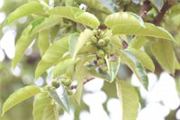
Ficus ovata (F. brachypoda)
Ateso: Eboliboli, ebuli Luganda: Kookowe, mukookowe, nserere Lugwere: Mukoko Luo L: Ebule Lusoga: Kookowe Madi: Kobakoba, odulindri Runyankore: Mutooma.
Description
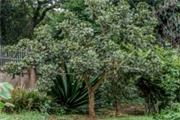
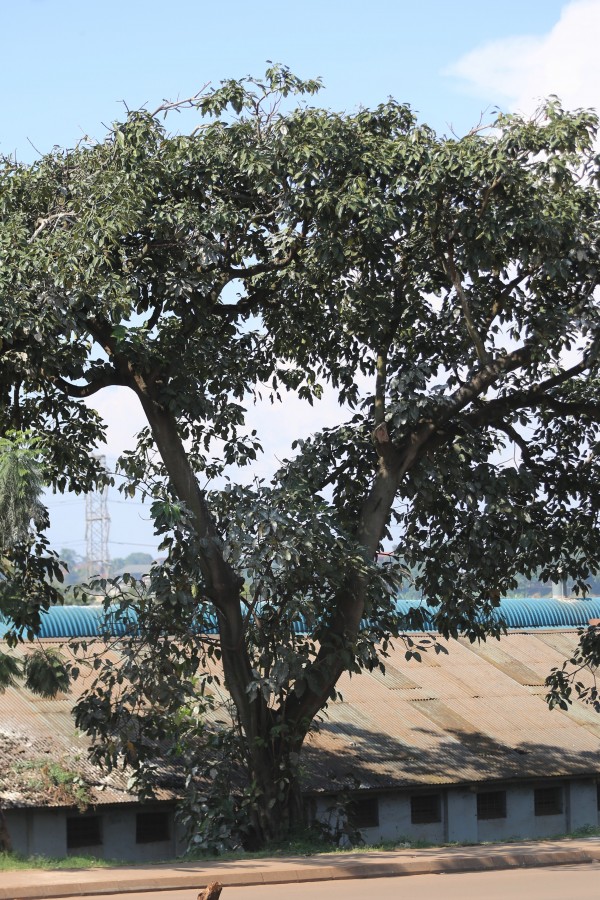
A shrub or even a climber, sometimes epiphytic on other trees, becoming tree 12-15 m high, young branchlets stout and purple, ribbed. A spreading open crown.
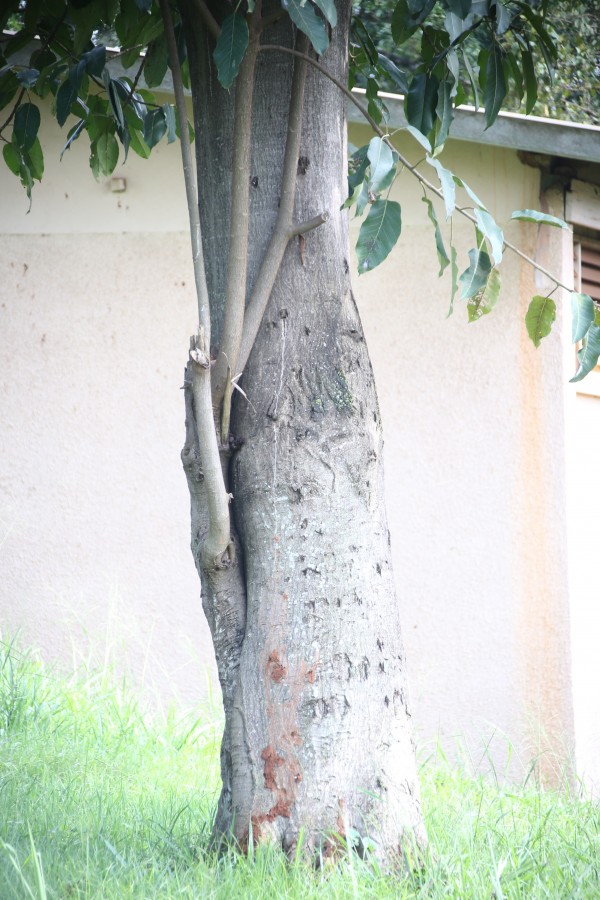
BARK: pale, thin and smooth.
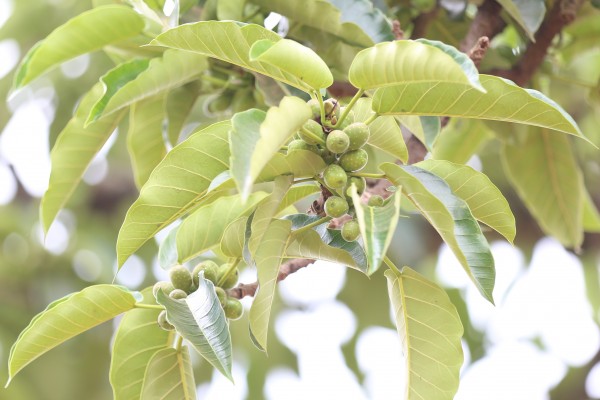
LEAVES: rather large, about 22 x 12 cm (9-31 cm long), the outer basal veins not reaching the middle of the leaf, 6-13 other veins each side, tip long pointed, the base rounded to a long stalk 3-10 cm.
FIGS: single or paired, often with a brown "bud cover" at first: Fresh ripe figs long oval, 3-5 cm, green with white spots, 4 bracts persistent.
Uses
Medicine: latex. http://tropical.theferns.info/viewtropical.php id=Ficus+ovata
A fiber is obtained from the bark.
Long strips of the bark are used to make traditional garments of the a Sukwa women like.
Provides shade.
Agro forestry: used in soil conservations and improvement, used as a live fence and boundary demarcation.
Ecology
Ficus ovata is native to Uganda. A fig tree of deciduous woodland, wooded grassland, riverine or lakeside from Senegal to Ethiopia to Mozambique and northern Angola. Found in both savannah and forest areas of Uganda and widely planted in Central Region and in parts of Hoima and Kibale Districts. In Kampala, Ficus ovata can be found within Uganda Golf course club, Makerere university, at Parliamentary avenue, Mawanda road among other places.
Management
Fast growing. Debark for cloth.
Tree gallery
.JPG)