Milicia excelsa (Chlorophora excelsa)
African teak
Luganda: Muvule Ateso: Elua, elowa Kwamba: Mbara Lugishu: Boru, gumutumba, kimurumba Lugwe: Mutumba Luo: Olwaa Luo J: Olia Madi: Vundi Runyoro: Mutumba.
Description
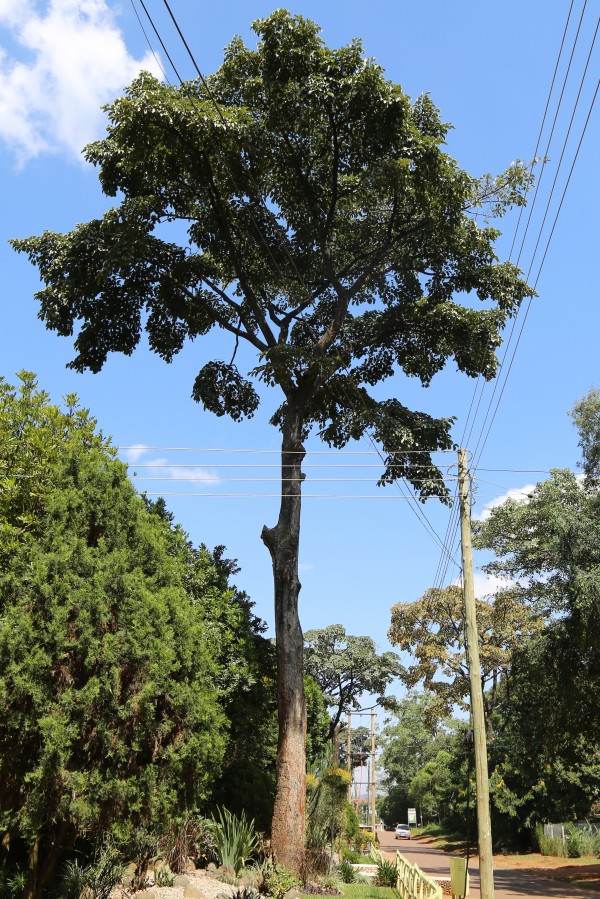
African teak is a large, deciduous tree with a wide, flat crown; it can grow up to 50 meters tall. Old trees may have a straight trunk clear to 21 m and 2 m in diameter. The high umbrella crown grows from a few thick branches. Ultimate branches hang down (only female trees; male individuals have upright branches).
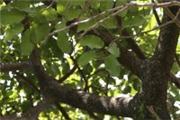
BARK: thick, pale, grey then brown, exudes slightly milky sap, as do the leaves .
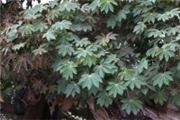
LEAVES: large, oval to 18 cm, rather thin, a well-pointed tip, 10-18 pairs clear side veins, base rounded, often unequal sided, stalk to 4 cm, leaf edge finely toothed and wavy.
FLOWERS: trees are male or female, both with small flowers in spikes, male flowers in drooping catkins to 15 cm, female shorter and thicker.
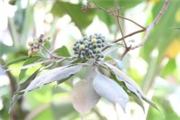
FRUIT: like a long, green mulberry, 6-7 cm, the soft pulp attracting birds and bats. Fruits ferment rapidly on the ground. Small hard seeds lie in the pulp.
Uses
Edible: ripe fruits are edible,fruit juice is used for flavouring. http://tropical.theferns.info/viewtropical.php id=Milicia+excelsa
Medicine: Roots, bark, latex, and leaves. http://tropical.theferns.info/viewtropical.php id=Milicia+excelsa
Agro forestry: used for soil improvement through its leaf mulch, and soil conservation, useful addition in reforestation projects to restore native woodland.
The mature leaves have been used as sandpaper.
The bark is used for dyeing leather and cloth.
The bark is used for making the roofs of houses.
The bark of young trees has been used for making loincloths.
The wood is used for construction work, shipbuilding and marine carpentry, sleepers, sluice gates, framework, trucks, draining boards, outdoor and indoor joinery, stairs, doors, frames, garden furniture, cabinet work, panelling, flooring and profile boards for decorative and structural uses. It is also used for carving, domestic utensils, musical instruments and toys. As it is resistant to acids and bases, it is used for tanks and barrels for food and chemical products and for laboratory benches. It is used as sliced veneer but only rarely as rotary veneer.
The wood is also used as firewood and for making charcoal.
An ornamental and excellent shade tree.
Ecology
African teak is native to Uganda. A giant deciduous tree of lowland forest and wet savannah that is logged commercially throughout its range. It is widespread throughout tropical Africa, Ivory Coast to Angola, and Sudan to Mozambique. It can grow well with mean annual rainfall as low as 700 mm provided it has access to extra water from a perennial stream or underground. It does not tolerate water logging and the soils must be well drained and relatively fertile. In Uganda, it is abundant in Jinja, Kamuli and Iganga Districts, though it occurs in most Districts of the country.In Kampala, African teak can be found within Uganda Golf course club, Makerere university, Railway park, along Buganda road, Upper Kololo terrace among other places.
Management
Growth
rate is medium; slower than Khaya spp.
Tree gallery
.JPG)
.JPG)