Myroxylon balsamum
Tolu balsam, Peru balsam, Balsam of Peru
Description
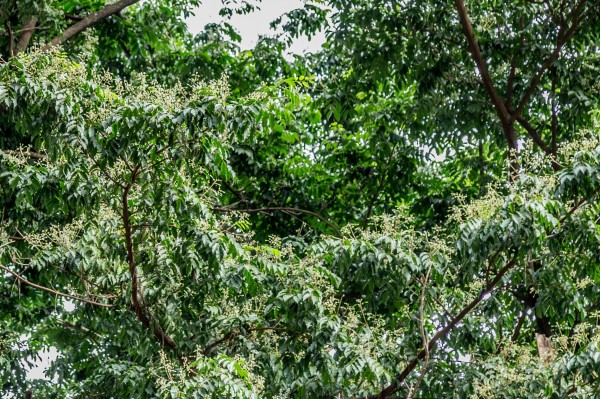
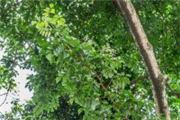
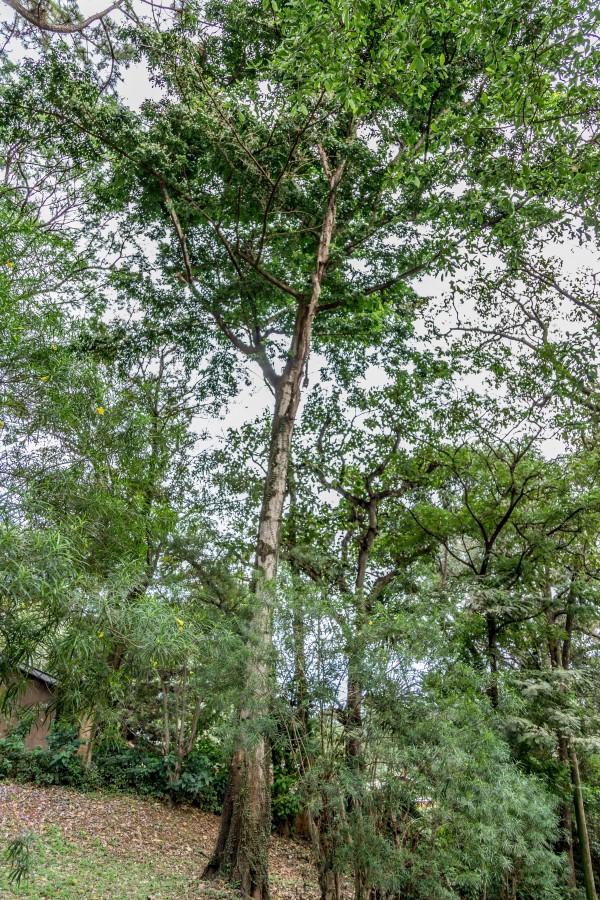
A large tree up to 40-45 m tall, with a round crown and dense foliage.
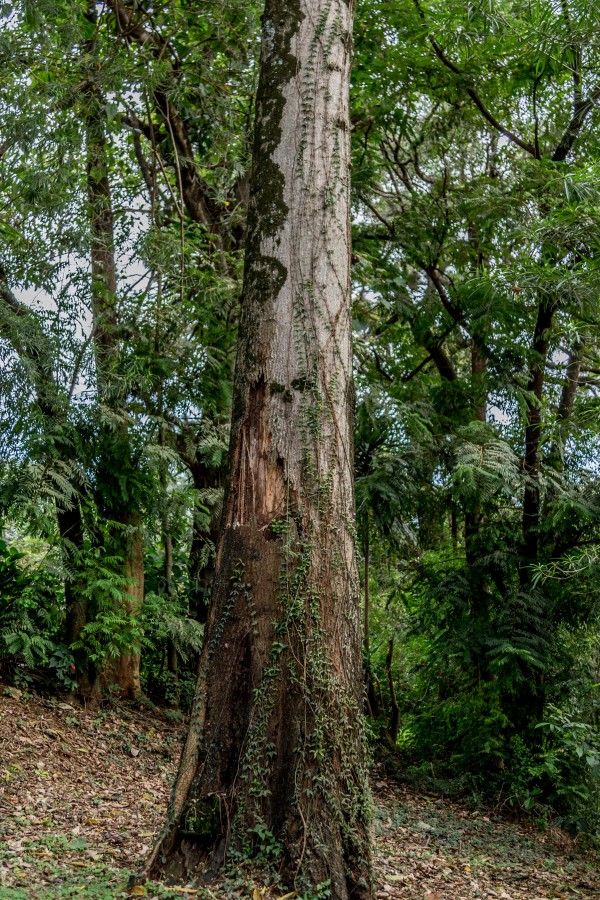
BARK: outer bark is smooth, greyish brown and covered with many lenticels; the inner bark is yellowish, with a pungent, unpleasant smell
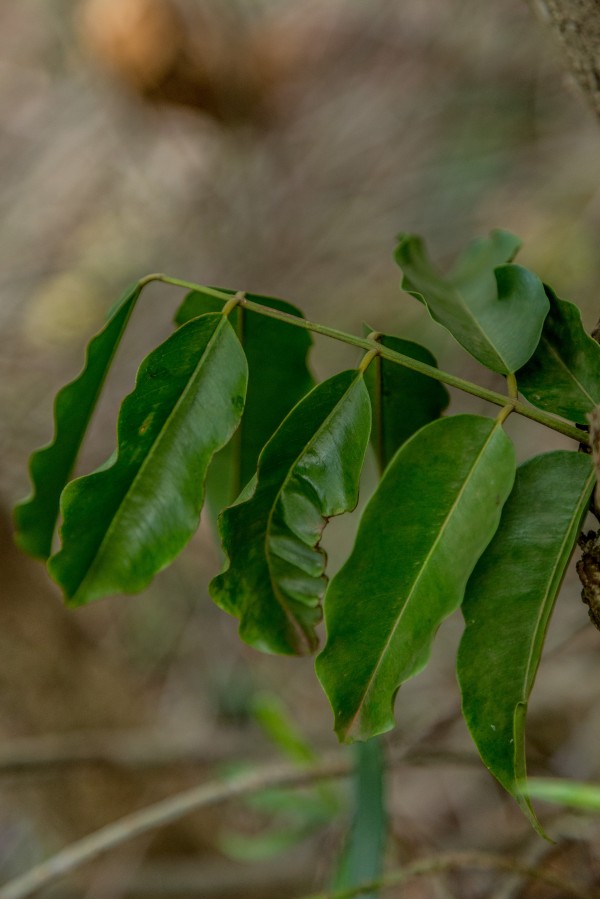
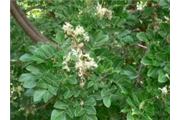
LEAVES: oddly pinnate, 3-11 leaves, 6-9 cm long and 3-4 cm wide with scattered translucent, glandular oil dots or lines.
FLOWERS: whitish, corolla 5-petalled
FRUITS: oblong-oblanceolate, distally rounded, flat except at seed-bearing apex, flat, indehiscent, samaroid, winged, monochrome yellowish-brown when dried, stipitate, narrowly obovate, 5-11 cm long, 2-2.5 cm wide, narrowing toward the base.
Uses
Edible: Gums, oils. http://tropical.theferns.info/viewtropical.php id=Myroxylon+balsamum
Medicine: Leaves, fruit, sap, oils, gum. http://tropical.theferns.info/viewtropical.php id=Myroxylon+balsamum
Agroforestry: a good shade tree and also fixes atmospheric nitrogen. It is sometimes grown to provide shade in coffee plantations.
The powdered bark is used as an underarm deodorant.
The wood is used for flooring, furniture, cabinetwork, turnery and railroad ties.
The essential oil contains about 60% cinnamein, a volatile oil that is extracted by steam distillation and used commercially in the perfume, cosmetic, and soap industries.
Balsam gum contains about 60% cinnamein, an essential oil extracted by steam distillation. It is used as incense in churches and as a hair set and thickening agent. The oil is also used in high-grade perfume, cosmetic and soap industries. Its fragrance is attributed to vanillin, coumarin, cinnamic and benzoic acids.
Peru balsam has been important as a component of the anointing oil used by Catholic priests since the middle of the 16th century. It is also used as a mounting medium for microscopic preparations.
Ecology
Balsam of Peru is an emergent tree in evergreen Tropical humid forests in low to medium elevations from 100 to 600 metres. M. balsamum grows in areas with annual precipitation ranging from 1 350-4 030 mm (mean 2 640 mm), annual mean temp of 27-32 0 C, and soils with mildly acidic pH. It grows best in a sunny position, tolerating some shade, prefers a well-drained soil and plants can succeed on poor soils if they are well-drained.
Management
Slow growing.
Tree gallery
.jpg)