Beaucarnea recurvate
Pony Tail Palm, Bottle Palm, Elephant’s Foot Tree, Ponytail Plant, Nolina Palm, Elephant Palm, Big Base Palm, Desert Pony Tail Palm, Nolina, Nolina Sole, Ponytail Nolina
Description
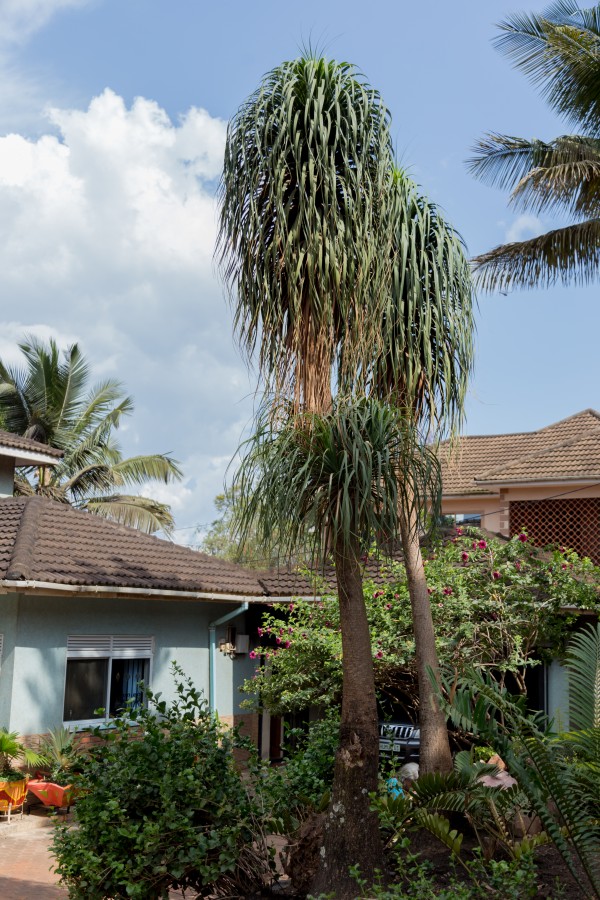
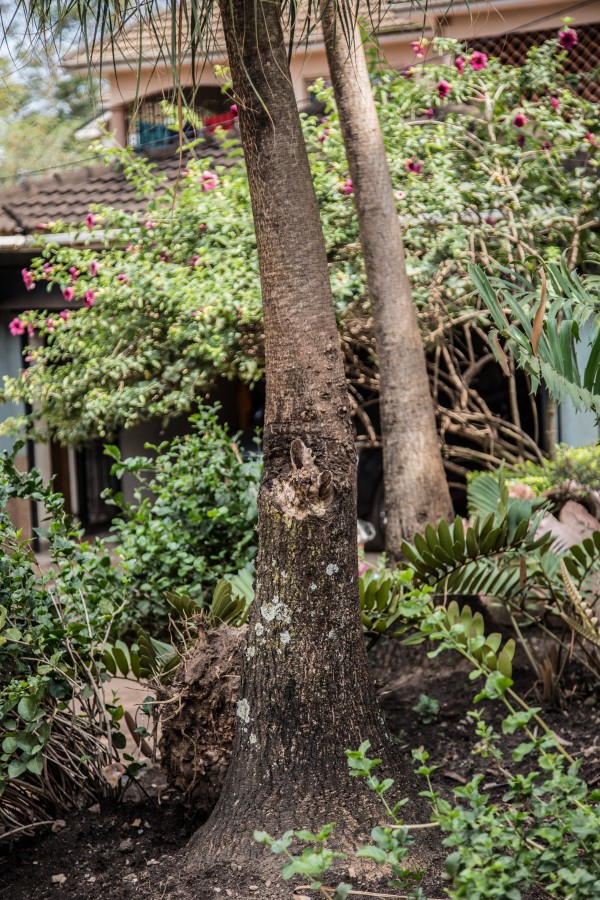
A distinctive looking house plant with a swollen thick brown stem at its base that stores water. It is a dioecious, evergreen, succulent tree up to 9 m tall with a very noticeable swollen base that tapers up to a slender trunk that ends in a head of green and recurving foliage.
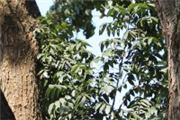
BARK:
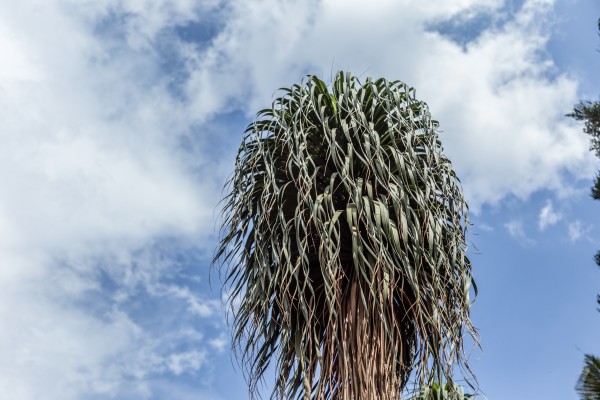
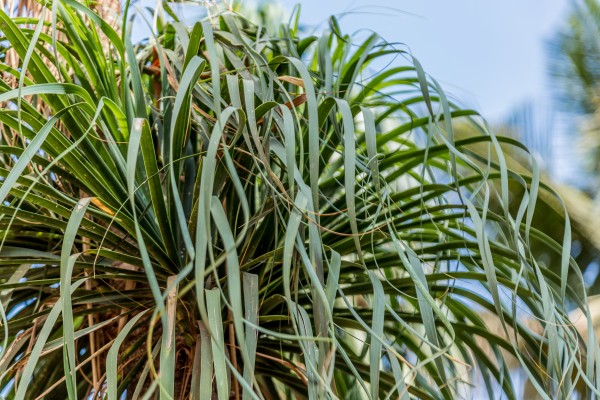
LEAVES: Strap-like, grass-like, thin, flat narrow, dark green, 90-200 cm long and 1-2,5 cm wide that form clumps at the ends of the branches and droop down. The cascading nature of the leaves gives much the appearance of a pony’s tail (hence the common name).
FLOWERS: Greenish-white to yellowish-crème coloured with six tepals, but very small and inconspicuous individually (1.5 mm diameter), but on the whole quite showy in the clusters that extend above the leaves
FRUITS: reddish winged fruit with 2-3 seeds.
Uses
Edible: trunks. http://tropical.theferns.info/viewtropical.php id=Beaucarnea+recurvata
The leaves are very tough. They are used for thatching, making brooms, caskets, coarse hats, mats, etc.
The fibre is used locally for cordage.
Beaucarnea recurvata plants make great indoor Bonsais and are ideal for beginners.
Beaucarnea recurvata is often grown as a houseplant or outdoor plant in temperate climate gardens.
Ecology
Beaucarnea recurvata is native to the dry regions of Texas and Mexico. This plant is able to store a year-long water supply in its bulbous trunk. Its a plant of the arid and semi-arid tropics. It requires a position in full sun or light shade and succeeds in a wide range of soils so long as they are well-drained. Established plants are very drought tolerant.
Management
Slow growing, pruning.
Tree gallery