Senna surattensis
Scrambled Egg Bush, Kolomona, Scrambled Egg Tree, Glossy Shower, Golden Senna, Glaucous Cassia, Sunshine Tree, Bushy Cassia, Gelenggang, Kalamona
Description
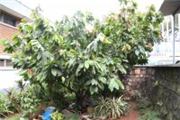
Evergreen shrub can grow up to 4 m high, becoming a small tree.
BARK: Grayish brown, smooth
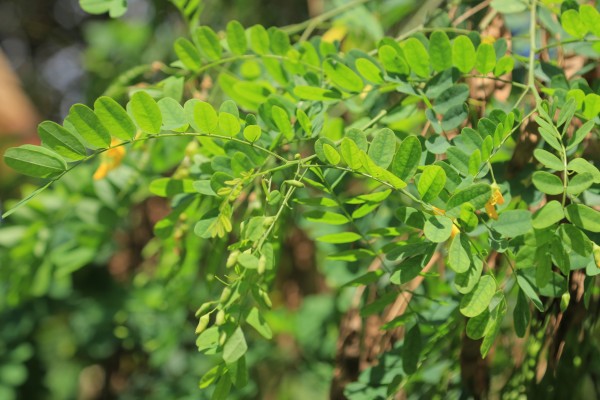
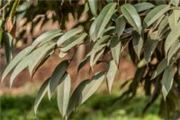
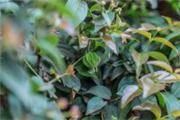
LEAVES: Even-pinnate green leaves with 6 - 9 pairs of leaflets, alternate, petioles measuring about 1.5 - 3 cm long, leaf measuring about 18 cm long, leaflets in pairs and usually obovate to oblong, measuring about 2.5 - 4 cm long and 1 - 1.7 cm wide, upper surface glabrous and lower surface slightly pubescent.
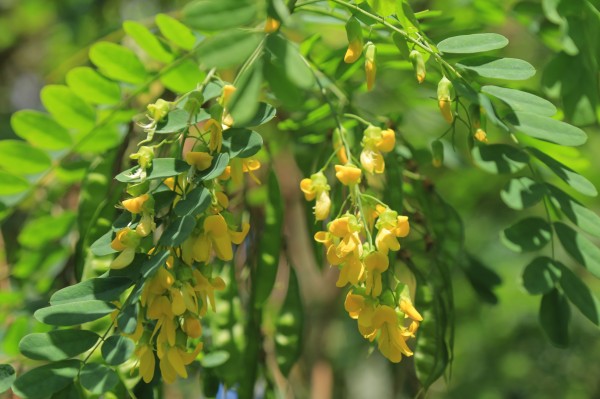
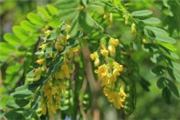
FLOWERS: 10 to 15 yellow flowers in a raceme from the upper leaf axils, measuring about 3 - 6 cm long, peduncle measuring about 2.5 - 5 cm long.
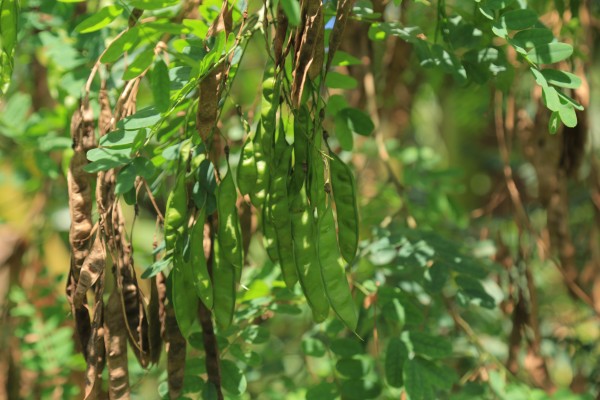
FRUITS: a flat pod, glabrous with papery valves, measuring about 7 - 10 cm long and 1 - 1.5 cm wide, contains about 15 - 25 seeds, glossy flattened and each seed measuring about 8 mm long and 4 mm wide.
Uses
Edible: Young leaves. http://tropical.theferns.info/viewtropical.php id=Senna+surattensis
Medicine: Roots, leaves, flowers. http://tropical.theferns.info/viewtropical.php id=Senna+surattensis
Agroforestry: Often interplanted in young teak plantations and used as a shade tree, often used as a hedge plant.
An ornamental tree.
Ecology
Native to Tropical Asia. It is now commonly planted in many tropical countries. It’s usually a habitat of teak forests and marshy soils, at elevations up to 300 metres. Although many species within the family Fabaceae have a symbiotic relationship with soil bacteria, this species is said to be devoid of such a relationship and therefore does not fix atmospheric nitrogen. S . surattensis has escaped from cultivation to roadsides, pastures, and waste places at lower altitudes and is quite common in urban and semi-urban areas. It grows well in moist Soils, well-drained soils, fertile loamy soils. In Kampala, this tree can be found within Makerere University.
Tree gallery
.jpg)
.jpg)