Karamoja has long dealt with highly variable rainfall and recurring dry spells spanning several months. Uganda’s Water, Sanitation and Hygiene National Adaptation Plan 2026 – 2030 names drought as a major threat to the country’s water infrastructure. Nationally, an estimated 76.9% of boreholes, 86.1% of valley dams and 77.1% of valley tanks are exposed to drought and the plan specifically flags districts across Karamoja as containing highly exposed water sources. It also notes that perennial surface water is scarce in dry regions like Karamoja and that existing valley dams aren’t enough to meet livestock water needs.
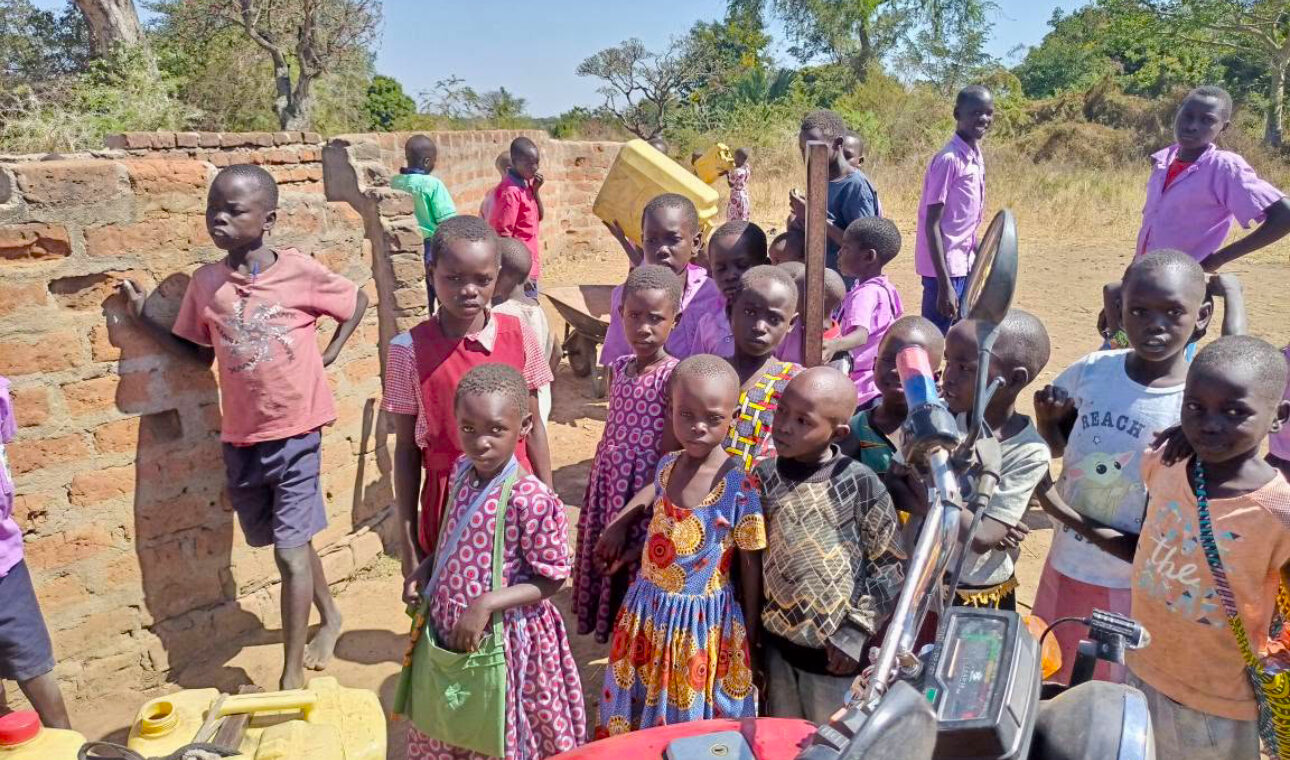
That vulnerability gets worse when dry conditions hit water and food production at the same time. In July 2026, the Office of the Prime Minister reported that a prolonged dry spell had destroyed crops in Karamoja and worsened food insecurity, which led the Government of Uganda to distribute emergency food assistance across the sub-region. UNICEF has pointed to a related effect that water scarcity in Karamoja can force children to travel long distances to find water, sometimes at the expense of school attendance.
UNICEF’s 2026 humanitarian reporting identified Karamoja as facing some of Uganda’s most serious nutrition challenges. The 2025 IPC analysis cited in that reporting classified eight of Karamoja’s nine districts in IPC Phase 3 (Crisis), with roughly 442,474 people facing severe food insecurity. Limited access to safe water and inadequate WASH services were among the factors identified as contributing to the crisis. That is why water insecurity cannot be separated from education, agriculture, nutrition, livelihoods and climate resilience.
Development should not just help these vulnerable communities get better at coping with scarcity but the aim should be to reduce the distance people travel for water, keep critical water infrastructure functioning, strengthen communities’ ability to withstand prolonged dry periods, protect food production when rainfall is unreliable and leave children with systems more resilient than the ones their parents had to navigate. That is what the African Resilience & Development Agency (AFRDA) is doing in Karamoja.
Through AFRDA Water Resilience Program, AFRDA is mapping communal water sources across Karamoja, documenting their locations, functionality, condition the communities they serve and the maintenance challenges they face. We aim to build better information on communal water infrastructure to make water-access gaps more visible and strengthen the case for maintenance, rehabilitation and investment where communities need it most.
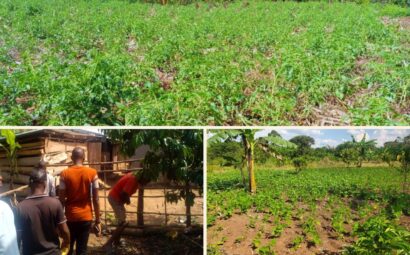
Through the Karamoja Climate-Resilient Seedling Nursery in Moroto, we are promoting indigenous, drought-tolerant and locally appropriate tree, agroforestry, fruit, fodder and crop varieties that can support more resilient farming and livelihoods.
AFRDA is working towards communities that are stronger against scarcity and not used to it.