African Resilience & Development Agency (AFRDA) joined the 2026 International Day for Biosphere Reserves at Germany’s Schorfheide-Chorin Biosphere Reserve, taking forward important lessons on biodiversity conservation, environmental monitoring, climate adaptation and community participation.
As the International Day for Biosphere Reserves is marked around the world, the African Resilience & Development Agency (AFRDA) takes forward a clear message from Schorfheide-Chorin: lasting environmental resilience will only be achieved when biodiversity conservation, climate adaptation and community development are advanced together.
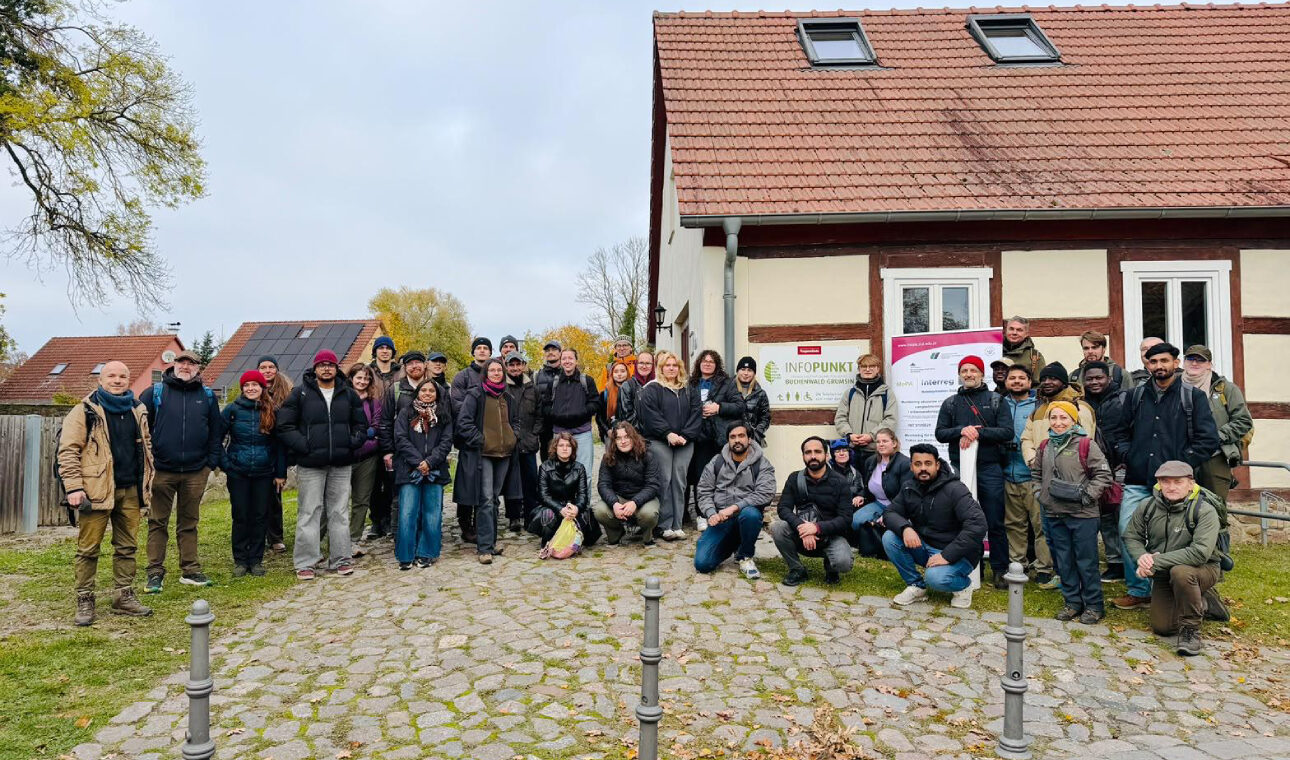
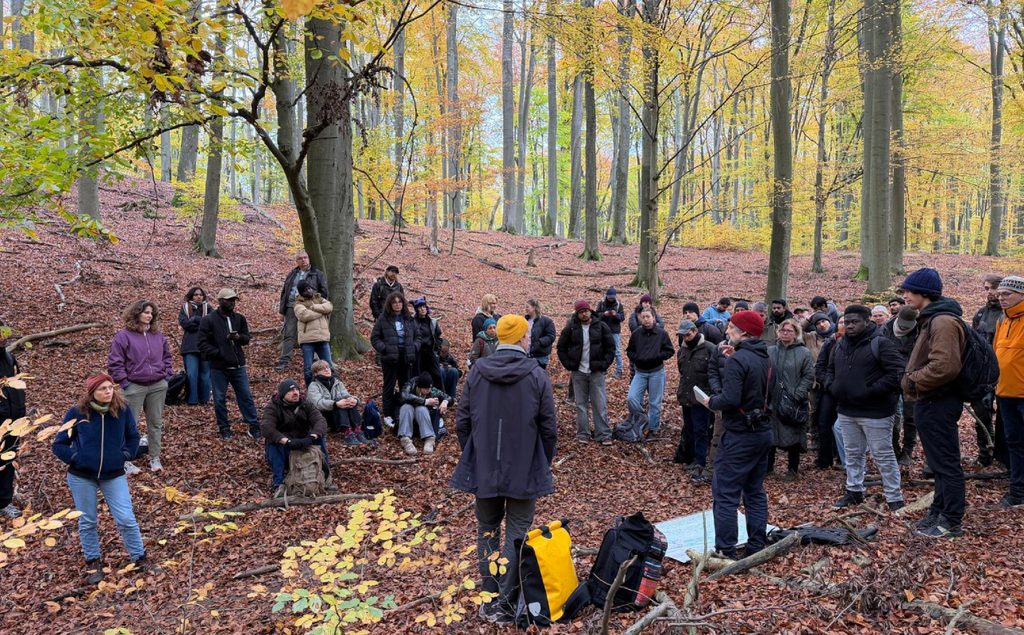
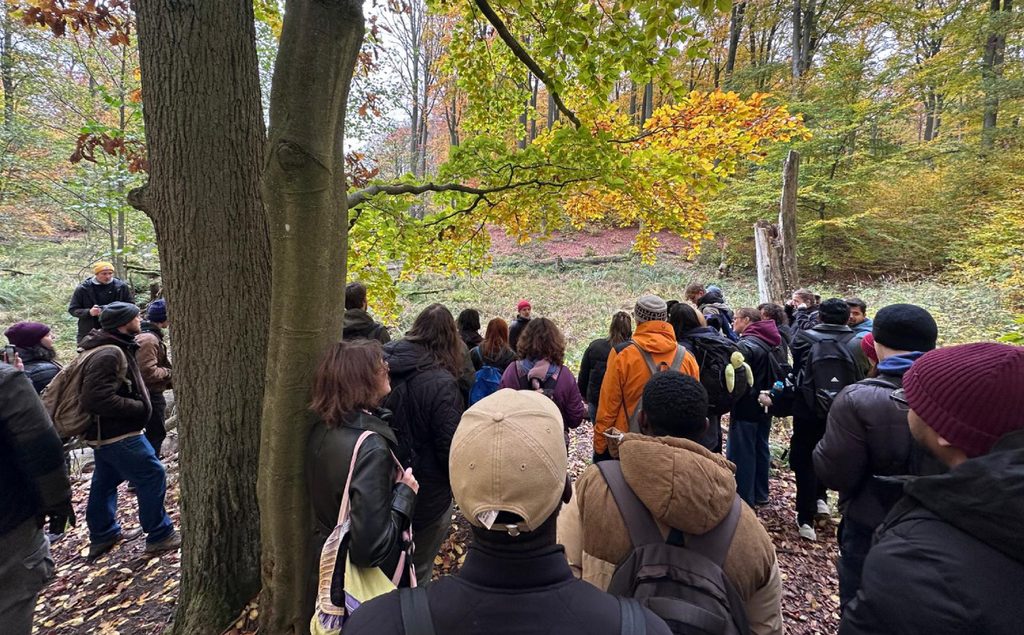
On 3 November 2026, AFRDA participated in celebrations at the ancient beech forest of Grumsin within Germany’s Schorfheide-Chorin Biosphere Reserve. The programme was held through MoPA, an initiative supported by the European Union that focuses on monitoring protected areas, biodiversity and the sustainable development of surrounding landscapes.
AFRDA was represented by Bakaluba Blessing Daniel, CEO/Continental Coordinator.
The programme provided firsthand insight into how scientific research, long-term environmental monitoring, public education and cooperation among communities, universities, government institutions and protected-area managers contribute to conserving ecosystems and safeguarding habitats for threatened species.
Biosphere reserves as models for sustainable development
UNESCO biosphere reserves demonstrate how biodiversity conservation and human development can be pursued within the same landscape.
Rather than treating environmental protection as separate from community life, biosphere reserves bring together nature conservation, sustainable economic and social development, scientific research, monitoring, education and training. They provide spaces in which institutions and communities can test practical approaches to living with nature while protecting the ecological systems on which present and future generations depend.
This makes biosphere reserves important learning environments for countries and organisations working to address biodiversity loss, land degradation, climate change and livelihood insecurity.
The Schorfheide-Chorin Biosphere Reserve illustrates this connection. Its landscape includes forests, lakes, wetlands, agricultural land, grasslands and settlements. Within the reserve, the ancient beech forest of Grumsin forms part of a UNESCO World Heritage property recognised for its ecological value and the natural processes represented by Europe’s old beech forests.
The wider reserve also supports a diversity of habitats and species while promoting sustainable land use, organic agriculture, environmental education and regional development.
Environmental management must be guided by evidence
One of the strongest lessons from the programme was the importance of continuous and multidimensional monitoring.
Effective environmental and natural resource management requires more than establishing protected boundaries. Institutions need reliable information about the condition of ecosystems, changes in biodiversity, pressures on water and land, the effectiveness of conservation measures and the relationship between protected areas and surrounding communities.
The MoPA programme highlights the need to complement ecological monitoring with social and economic evidence. Understanding the condition of a forest or wetland remains essential, but environmental managers must also understand how communities experience protected areas, what people learn from conservation initiatives and how environmental decisions affect local livelihoods.
This approach closely reflects AFRDA’s commitment to evidence-led advocacy.
Reliable field information allows communities, public institutions and development partners to identify emerging challenges, evaluate whether interventions are working and make better decisions about conservation, restoration and resource use. Evidence also strengthens accountability by showing what has changed, who has benefited and where further action is required.
Connecting conservation and climate adaptation
Healthy ecosystems are fundamental to climate resilience.
Forests, wetlands, soils, water systems and biodiversity help regulate water, reduce erosion, maintain soil fertility, support food production and protect communities from environmental shocks. When these systems are degraded, communities become more vulnerable to drought, flooding, declining agricultural productivity and livelihood insecurity.
Climate adaptation must therefore include the protection and restoration of the natural systems on which communities depend.
For AFRDA, the lessons from Schorfheide-Chorin reinforce the importance of connecting environmental management with practical community-based adaptation. Conservation initiatives are more likely to endure when they strengthen local knowledge, respond to livelihood realities and enable communities to participate in planning, implementation and monitoring.
Communities as partners in conservation
Biosphere reserves also demonstrate that communities are central partners in environmental management.
People living within and around important ecosystems hold knowledge about local landscapes, species, seasons, land-use practices and environmental change. Their participation can improve the relevance of conservation measures, strengthen local ownership and help institutions identify solutions that respond to both ecological and social priorities.
Meaningful participation goes beyond consultation. Communities need opportunities to contribute to decision-making, develop local solutions, benefit from sustainable livelihood opportunities and take part in monitoring the resources that support their wellbeing.
This principle is central to AFRDA’s community-development approach. AFRDA works with local leaders, farmers, women, young people, schools, community groups and government institutions to connect environmental responsibility with practical improvements in resilience and livelihoods.
Collaboration across institutions and borders
The programme further demonstrated the value of collaboration among protected areas, universities, research institutions, governments, civil society organisations and communities.
Environmental challenges rarely remain within administrative or national boundaries. Ecosystems, water systems, wildlife and climate pressures connect different territories and populations. Effective responses therefore require institutions to share knowledge, coordinate monitoring approaches and learn from experiences beyond their immediate areas of operation.
Cross-border initiatives such as MoPA create opportunities to develop comparable monitoring approaches, strengthen professional networks and build a shared understanding of biodiversity and sustainable development.
For AFRDA, international learning provides an opportunity to examine established conservation approaches and identify principles that can be adapted to African environmental and community contexts.
Moving from learning to action
The lessons from Schorfheide-Chorin are closely connected to AFRDA’s four thematic areas: environmental and natural resource management, climate adaptation, community development and evidence-led advocacy.
AFRDA’s priority is to translate this learning into practical action that responds to the realities of African communities. This includes supporting the protection and restoration of land, forests, water sources and biodiversity; strengthening community capacity for climate adaptation; promoting participatory environmental planning; and ensuring that evidence from local communities informs programmes and public policy.
The experience also reinforces the need for sustained partnerships. No organisation or institution can address biodiversity loss, climate vulnerability and community-development challenges alone. Progress depends on bringing communities, governments, researchers, civil society organisations, development partners and responsible private-sector actors around shared environmental priorities.
AFRDA will continue advancing these principles to ensure that global conservation knowledge translates into practical, community-centred solutions for the people who depend on and help protect our forests, soils, water systems and biodiversity.
Protecting nature and strengthening communities are part of the same responsibility.
AFRDA remains committed to building resilient communities where people and nature thrive together.