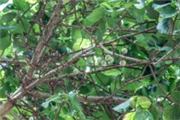
Arundinaria gigantean
Switch cane, Giant cane, cane
Description
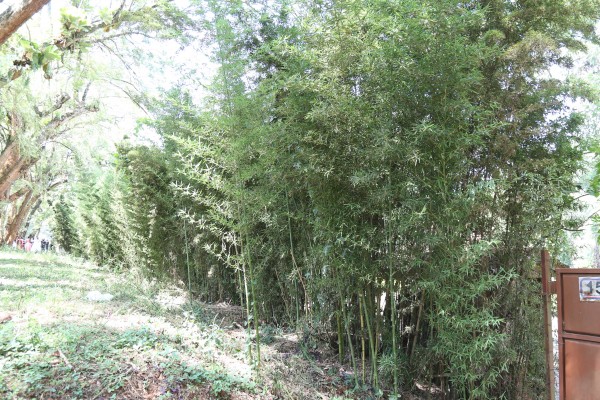
An evergreen bamboo growing to 9 m.
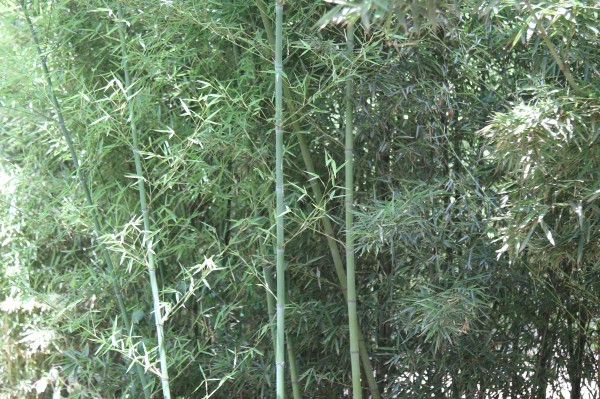
BARK: round and hollow.
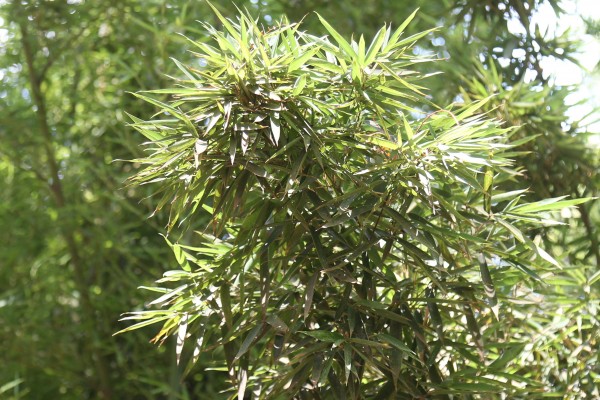
LEAVES: alternate, evergreen, develop toward the apex of the primary culm and along its lateral branches. The leaf blades have a tessellated appearance as a result of the smaller cross-veins that interconnect the parallel veins. Leaf sheaths are glabrous to sparsely short-pubescent, except toward their apices, where bristly hairs occur
FLOWERS: flowers are racemes or simple panicles with several spikelets 1.6 to 2.8 inches (4-7 cm) long and 0.3 inch (8 mm) wide
FRUIT: fruit is a caryopsis, 0.3 inch (8 mm) long and 0.1 inch (3 mm) wide.
Uses
Edible: Seeds stem. https://pfaf.org/user/Plant.aspx LatinName=Arundinaria+gigantea
Medicine: roots. https://pfaf.org/user/Plant.aspx LatinName=Arundinaria+gigantea
Agroforestry: Cane provides high quality forage for cattle, horses, swine, and domestic sheep.
The canes are used as pipe-stems, are woven into baskets and mats plus a variety of other purposes. The hollow stems can be made into flutes.
Ecology
Giant cane is native to the United States. It is a rhizomatous running bamboo that is native to river banks, moist bottomlands, swampy areas and bogs from Florida to Texas north to Kansas, southern Illinois and New York. In optimum growing conditions, it will naturalize to form immense, dense, primarily monocultural, often impenetrable colonies or stands commonly called canebrakes. The species is hermaphrodite and is pollinated by Wind.
Suitable for: light (sandy), medium (loamy) and heavy (clay) soils and prefers well-drained soil. Suitable pH: acid, neutral and basic (alkaline) soils. It can grow in full shade (deep woodland) semi-shade (light woodland) or no shade. It prefers moist soil.
Tree gallery