Citrus paradisi
Grapefruit, Sechungwa
Description
A large spreading tree 10-15 m with a dense crown and small thorns.
BARK:
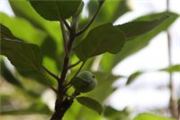
LEAVES: oval to 18 cm, dark shiny green, edge round toothed, leathery, the stalk broadly winged.
FLOWERS: white, in clusters of 2-20, opening one at a time, 4-5 cm across.
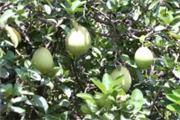
FRUIT: rounded to pair-shaped, 9-15 cm across, borne in clusters of 3-12, rind green to pale yellow-orange, thin to thick, pulp yellow, sweet-sour, juice sacs large but closely packed.
Uses
Edible: fruit is eaten flesh or can be made into juice, and segments are canned.
Agroforestry: pulp and molasses are used as cattle feed.
Can be used for firewood
Can be used to aid with oily skin and hair, perfumery, aromatherapy, cosmetics, household product manufacturing and skin care.
Ecology
The grapefruit is native to West Indies. It does not occur in the wild and is thought to be derived from C grandis the pomelo (or a hybrid between pomelo and sweet orange). The English name "grapefruit" comes from the West Indies where C grandis had been taken in the eighteenth century. It was noticed that some plants (a mutant) produced a new fruit in clusters like grapes and its leaves were smaller than usual. Grapefruit grows best in humid climates with loam, sandy or even clay soils as long as they are well drained. In Kampala, Citrus paradisis can be found within Makerere University among other places.
Tree gallery


.jpg)